




About the NAP

The programme

About the Programme

The Government of Namibia recognises that climate change poses significant risks to people, the economy and the environment. The NAP Programme supports the country in developing its first National Adaptation Plan and National Adaptation Strategy.

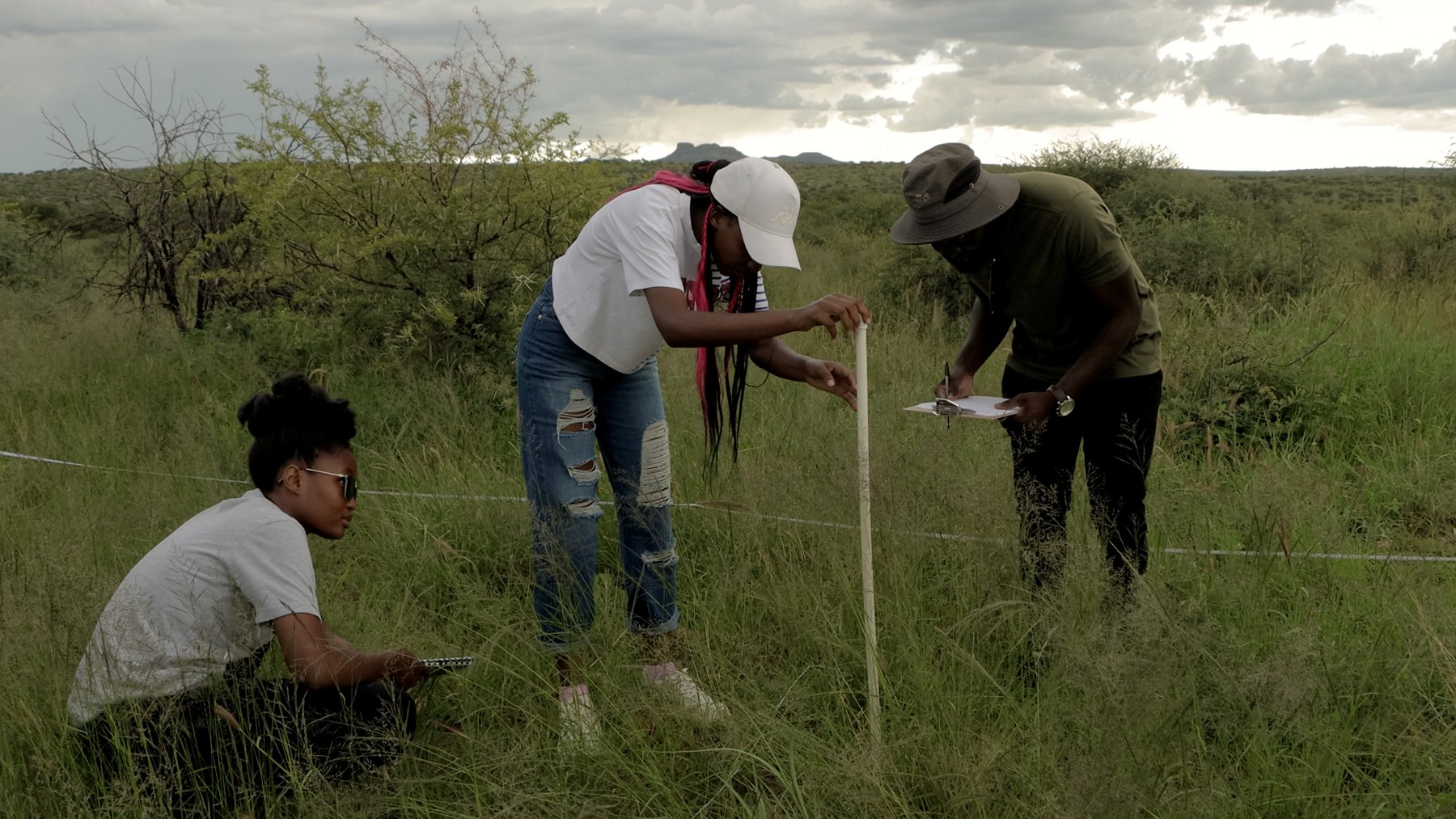
Field work supporting environmental resilience in Namibia
Namibia’s adaptation journey Turning evidence into action

A coordinated national effort

Led by the Ministry of Environment, Forestry and Tourism (MEFT) and implemented by the Namibia Nature Foundation (NNF) with support from the Green Climate Fund (GCF), the programme brings together government, communities, civil society, the private sector and development partners to create a more climate-resilient Namibia.

MEFT
NNF
GCF

Our aim

Build the conditions for lasting climate action.

Strengthen the knowledge base for informed decision-making, build institutional and technical capacity, provide strategic direction for adaptation, strengthen cooperation across sectors, and mobilise additional investment by creating an enabling environment for private sector participation.

Strengthen knowledge for better decisions
Build institutional and technical capacity
Provide strategic direction for adaptation
Strengthen cooperation across sectors
Mobilise investment and enable private sector participation

How the Project Works

Four connected workstreams that turn climate evidence into adaptation planning, investment and private sector action.

Researchers recording field measurements in Namibia

Generating the Evidence Base

Workstream 01

Researchers recording field measurements in Namibia

Generating the Evidence Base

Climate projections and modelling

The NAP will generate high-resolution climate projections at a scale of 10 km × 10 km. These projections support local and sector-specific decisions in water, agriculture, infrastructure and disaster risk reduction, where climate impacts vary from place to place.

Downscaled projections help government and partners identify climate hotspots, allocate resources and design interventions for vulnerable areas and populations. They also strengthen national capacity to analyse climate data and make climate information more useful to planners, technical experts and communities.

Vulnerability assessments

Vulnerability assessments identify the sectors, places and populations most at risk. They examine climate hazards such as droughts and floods alongside underlying factors such as poverty, limited access to services and weak infrastructure.

Understanding these drivers helps Namibia address the causes of vulnerability, prioritise adaptation actions transparently and provide the evidence needed to access climate finance.

Macroeconomic assessment and the costs of inaction

The assessment will examine how climate change affects GDP, public finances, employment and key sectors. Comparing the costs of adaptation with the damage it can help avoid makes the economic case for investing in resilience and identifies where limited resources can deliver the greatest benefits.


Stakeholders developing adaptation priorities together

Developing the National Adaptation Strategy

Workstream 02

Stakeholders developing adaptation priorities together

Developing the National Adaptation Strategy

NAP Strategy and Action Plan

The strategy brings together climate projections, vulnerability and impact assessments, socioeconomic data, and analysis of policies and institutional capacity. This evidence is used to identify and rank priority climate risks, map geographic hotspots and establish sector priorities.

Selected measures will be organised into a national adaptation strategy with medium- and long-term actions, geographic priorities, roles and responsibilities, and indicative budgets. An integrated monitoring, evaluation and learning (IMEL) system will measure progress and support learning.

An implementation roadmap

The roadmap will set out the sequence for implementation, the funding needed, potential sources of finance, which priorities are funded first, and how financing will be managed. It will support the scaling of financing mechanisms and the long-term integration of climate finance into national systems.

Adaptation in development plans and budgets

Following the strategy and action plan, adaptation priorities will be integrated into national, regional and sector plans and budgets. Line ministries will translate priorities into sector-specific actions, targets and guidelines.

Climate risks will be incorporated into planning and appraisal tools, including screening for public investments, and into medium-term expenditure frameworks. Regional and local governments will integrate adaptation into local development plans and budgets.

Livestock representing rural livelihoods supported by adaptation investment

Mobilising Resources for Adaptation

Workstream 03

Livestock representing rural livelihoods supported by adaptation investment

Mobilising Resources for Adaptation

From priorities to an investment pipeline

The resource mobilisation strategy explains how adaptation actions will be financed, where funding will come from and which institutions will manage it. It turns the NAP into an investment-ready pipeline and financing framework.

It will estimate the cost of implementing adaptation priorities across short-, medium- and long-term needs. A financing gap analysis will compare the resources available with those required, including domestic public finance, private finance and international public finance.

Financing adaptation

The strategy will prioritise bankable projects, package interventions into investment-ready programmes and develop a pipeline aligned with NAP priorities, including concept notes for funders such as the Green Climate Fund.

It will identify suitable financing approaches, including grants, concessional loans, blended finance and budget support, and clarify institutional responsibilities and how funds will flow.

Enabling investment and tracking finance

The NAP will explore policy and regulatory reforms, climate budgeting, project preparation capacity, and climate data and reporting systems. A climate finance tracking mechanism will monitor the resources mobilised, allocated and spent on adaptation, and how effectively they are used.

Small-scale fish processing supporting local livelihoods
© FAO/Luis Tato

Engaging the Private Sector in Climate Adaptation

Workstream 04

Small-scale fish processing supporting local livelihoods
© FAO/Luis Tato

Engaging the Private Sector in Climate Adaptation

A whole-of-society approach

Climate risks threaten business continuity and economic stability. They also create opportunities for businesses to contribute to a more resilient Namibia. Adaptation planning brings public and private actors together to respond to these risks.

Understanding roles and barriers

The NAP will identify the roles that different types and sizes of private-sector actors can play in strengthening climate resilience. It will examine the barriers they face and explore ways to overcome them.

Turning engagement into action

The programme will develop concrete actions to encourage private-sector engagement and identify the public finance interventions needed to attract and scale up private investment in adaptation.

Creating an enabling environment

The NAP will explore public policies and incentives that help businesses participate effectively in adaptation planning and implementation, supporting coordinated action across society.

The NAP Journey: From Evidence to Implementation

Stakeholder Engagement

Engage stakeholders and strengthen the institutional framework for coordinating adaptation.

Evidence Generation

Develop climate projections, risk analysis, vulnerability assessments and cost of climate change.

Private Sector Engagement

Identify private sector roles and develop policy incentives to encourage adaptation investment.

Strategy Development

Develop the National Adaptation Strategy, integrate adaptation into planning and establish monitoring and coordination systems.

Finance Mobilisation

Adopt a resource mobilisation strategy, track finance and promote blended finance solutions.

Expected Outcomes

Stronger Governance

Improved planning and institutional coordination for adaptation.

Better Climate Evidence

A robust evidence base to design targeted solutions and inform decisions.

Private-Sector Participation

Greater engagement of businesses, investors and financial institutions.

Increased Adaptation Finance

Strengthened investment pathways and financing mechanisms.