


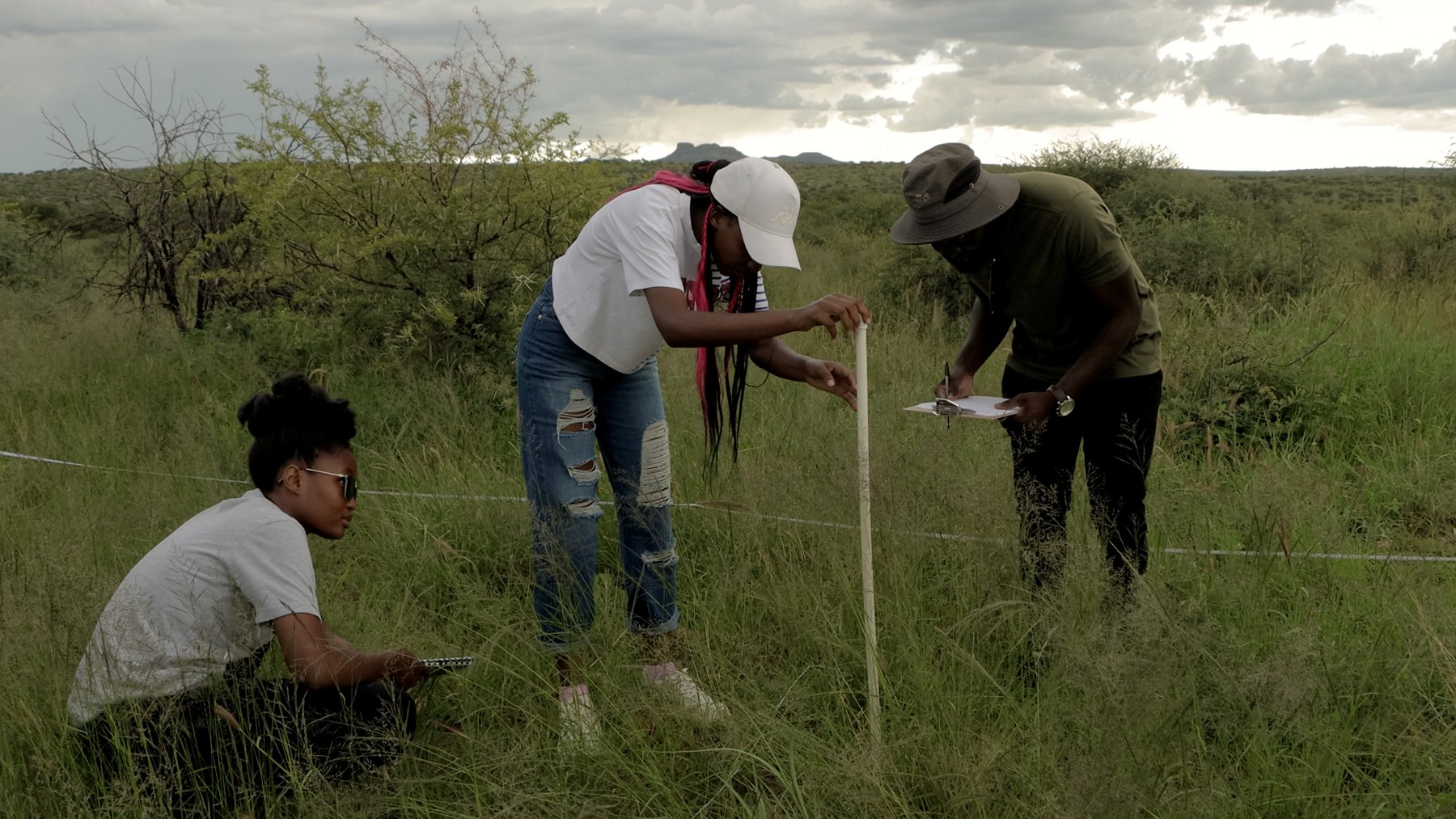
Generating the Evidence Base
Workstream 01
Generating the Evidence Base
Climate projections and modelling
The NAP will generate high-resolution climate projections at a scale of 10 km × 10 km. These projections support local and sector-specific decisions in water, agriculture, infrastructure and disaster risk reduction, where climate impacts vary from place to place.
Downscaled projections help government and partners identify climate hotspots, allocate resources and design interventions for vulnerable areas and populations. They also strengthen national capacity to analyse climate data and make climate information more useful to planners, technical experts and communities.
Vulnerability assessments
Vulnerability assessments identify the sectors, places and populations most at risk. They examine climate hazards such as droughts and floods alongside underlying factors such as poverty, limited access to services and weak infrastructure.
Understanding these drivers helps Namibia address the causes of vulnerability, prioritise adaptation actions transparently and provide the evidence needed to access climate finance.
Macroeconomic assessment and the costs of inaction
The assessment will examine how climate change affects GDP, public finances, employment and key sectors. Comparing the costs of adaptation with the damage it can help avoid makes the economic case for investing in resilience and identifies where limited resources can deliver the greatest benefits.