
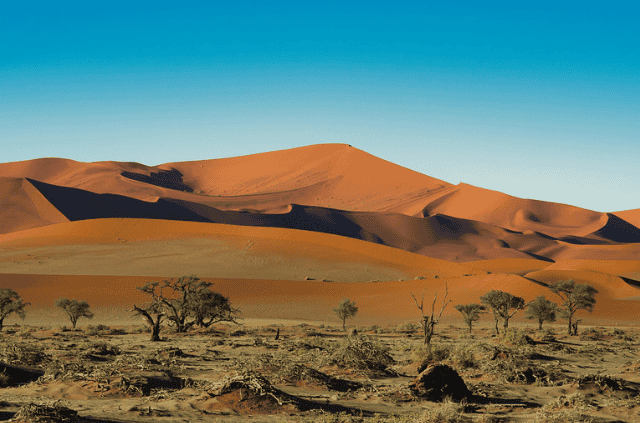
Climate change is no longer a future concern for Namibia. As the driest country in sub-Saharan Africa, around 92% of its territory is classified as very arid, arid or semi-arid, while average annual rainfall is only about 278 mm. This makes the country particularly sensitive to changes in temperature, rainfall and water availability.
These changes are already being observed. Over the past 40 years, maximum temperatures and the number of days exceeding 35°C have increased. More recently, the 2024–25 El Niño-induced drought became one of Namibia’s most severe climate-related shocks in decades, affecting agriculture, water availability, livelihoods and food security. At the height of the crisis, around 1.4 million people faced acute food insecurity, reinforcing the need to move from primarily reactive emergency responses towards stronger preparedness and long-term resilience. The risk remains: with El Niño expected to strengthen towards the end of 2026, regional forecasts indicate an increased likelihood of below-normal rainfall across much of Namibia from October 2026 to March 2027.
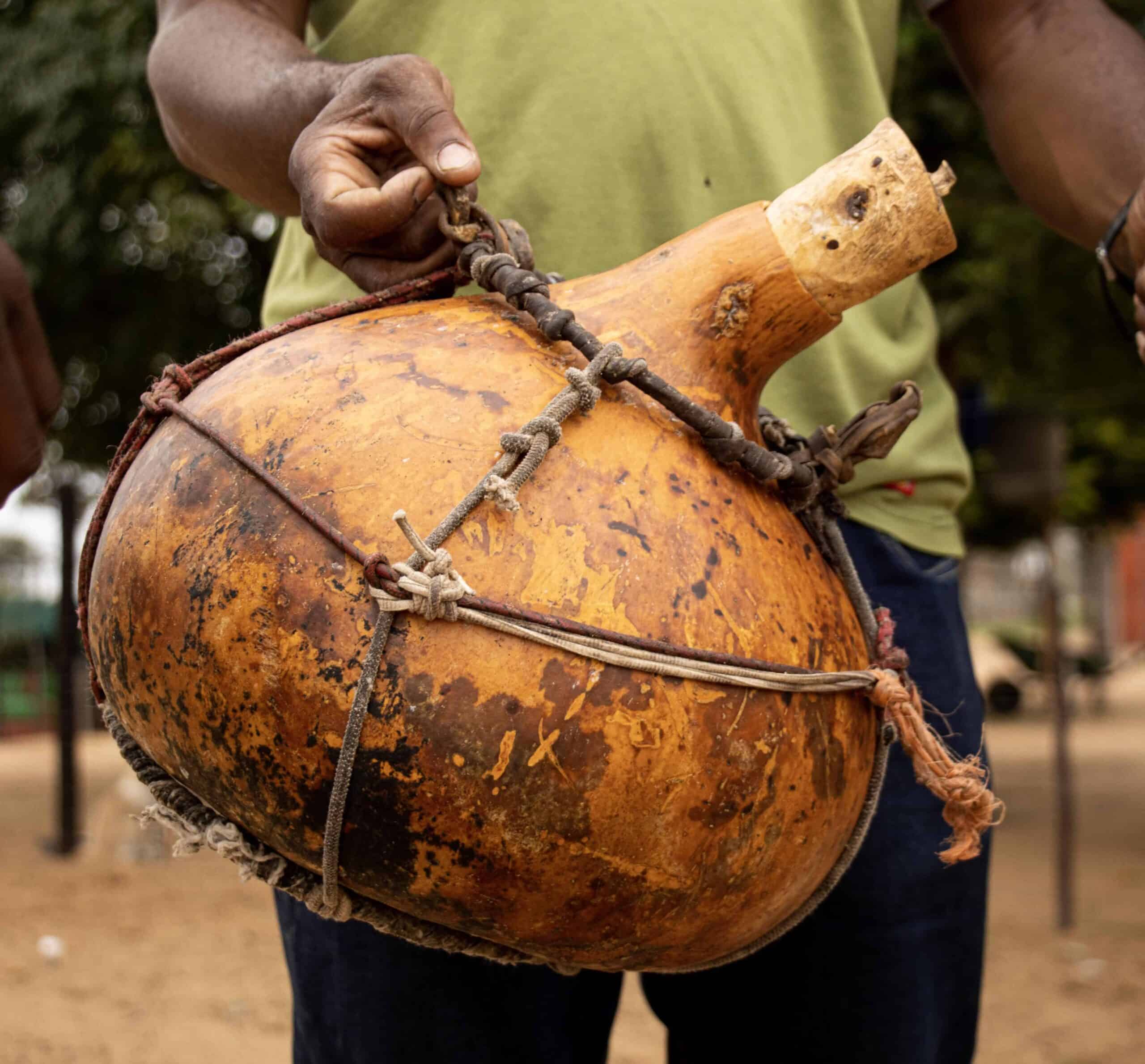
Yet, Namibia is not new to climatic variability. For generations, communities have adapted farming and livestock systems, food production and resource management to some of the harshest environmental conditions in the region. Indigenous crops, local foods and practices such as omahere and ekaka are part of a wider body of knowledge that has helped households manage scarcity and uncertainty.
What is changing is the pace and scale of these changes. The knowledge and practices that have helped communities cope with climatic variability remain essential, but increasingly frequent and intense climate pressures are stretching existing coping mechanisms beyond their limits. Adaptation can therefore no longer rest on communities alone. Climate risk must also be considered systematically in national policies, sector planning, public investment and development decisions.
This is the context in which Namibia is developing its National Adaptation Plan and strategy, led by the Ministry of Environment, Forestry and Tourism (MEFT), with support from the Green Climate Fund (GCF) and implementation by the Namibia Nature Foundation (NNF).
From climate risks to action: How Namibia is developing its National Adaptation Plan
Namibia’s National Adaptation Plan is intended to turn the need for coordinated action into a practical approach. It will help identify the country’s most pressing climate risks, establish priorities across sectors and guide how adaptation is incorporated into planning and investment decisions.
The aim is not to replace adaptation practices that already exist, but to connect local experience and scientific evidence with government policy and planning. The NAP project brings these elements together through five interconnected areas of work.
1. Strengthening stakeholder engagement and institutional coordination
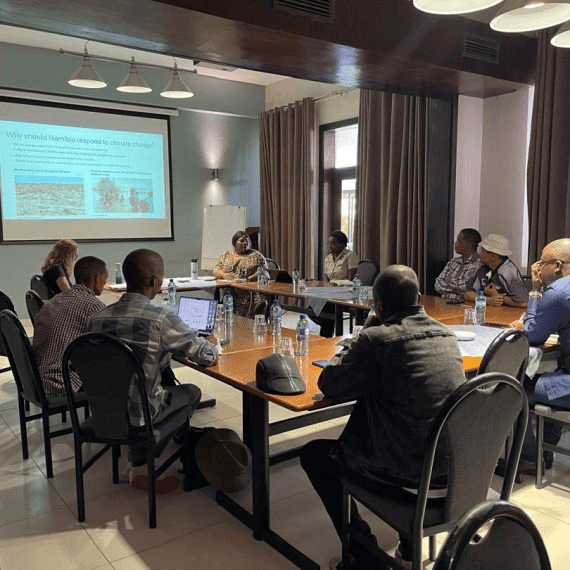
Climate adaptation cuts across areas of expertise and institutional responsibilities, requiring cooperation between government and other stakeholders. The project will bring together ministries, regional authorities, communities, civil society, businesses and other stakeholders to identify adaptation needs, share knowledge and improve coordination. It will also strengthen the mechanisms through which institutions exchange information, clarify responsibilities and integrate adaptation into their policies and planning.
2. Building the evidence needed for informed decisions
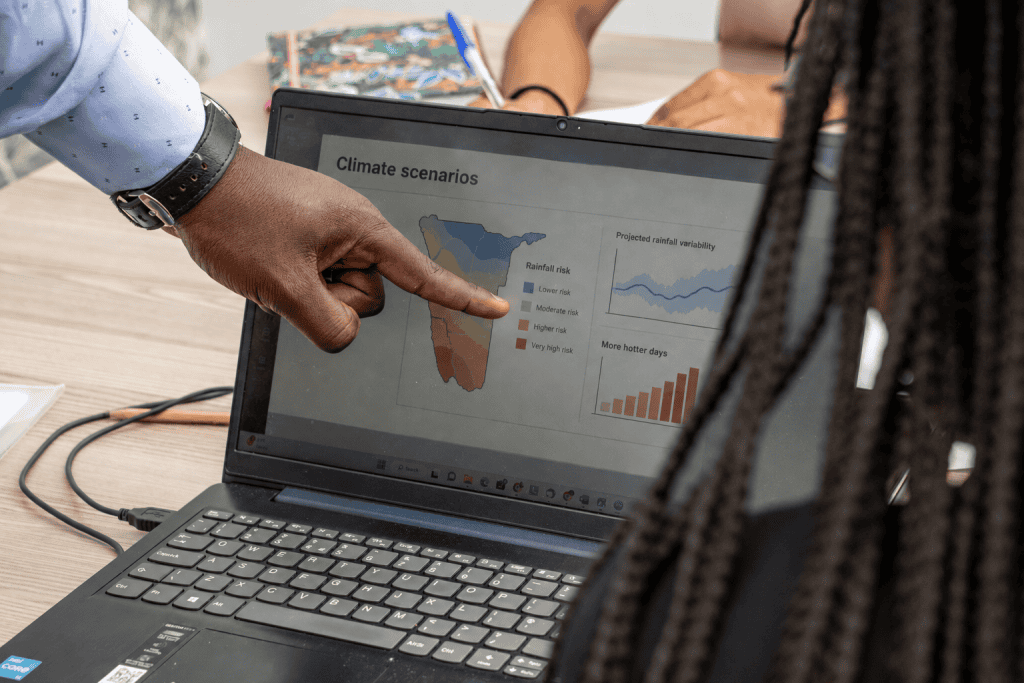
Namibia’s climate varies considerably across the country, and national averages cannot capture this diversity. The project will therefore develop climate projections using a 10 × 10 km grid, providing more geographically detailed information on how the climate is expected to change. Namibia’s diversity also extends to its communities, livelihoods and economic activities, all of which influence vulnerability to climate change. The project will conduct vulnerability assessments across Namibia’s regions to understand how climate change affects different communities, ecosystems, livelihoods and economic sectors. These assessments will also help identify how local knowledge and existing adaptation practices can inform national planning. Alongside this, an economic assessment will estimate the impacts of climate change, including the costs of inaction. This will help demonstrate the economic case for adaptation and inform investment and financing decisions.
Together, these assessments will provide a stronger evidence base for informed planning and decision-making.
3. Strengthening private-sector engagement in adaptation
Climate adaptation in many parts of the world has traditionally relied on government and donor funding, and Namibia is no exception. Private-sector investment remains very limited, as does cooperation between businesses and public institutions. Businesses and financial institutions also face gaps in the information, technical capacity and incentives needed to assess climate risks and develop adaptation solutions.
The NAP project will identify opportunities for private-sector involvement, address barriers to participation and strengthen cooperation with government. It will also develop an engagement strategy, provide targeted training and explore policy and financing measures to encourage investment. The aim is to diversify adaptation finance and improve access to adaptation technologies and financial solutions, including climate risk insurance.
4. Developing the national adaptation strategy and action plan
The findings from the assessments and consultations will help identify which adaptation actions should take priority, where they are most needed and who will be responsible for them. The strategy and action plan will set out these priorities, institutional responsibilities and indicative budgets, alongside a roadmap for implementation. Sectoral strategies will provide more detailed guidance, while the project will support the integration of adaptation into government development plans and budgets. A monitoring, evaluation and learning system will also be developed to track progress and inform future decisions.
5. Developing a strategy to finance adaptation
Building on the assessments, adaptation priorities and private-sector engagement, the project will develop a resource mobilisation strategy to help turn the national plan into action. It will identify financing needs and gaps, develop a pipeline of priority projects and explore how public budgets, international climate finance and private investment can complement each other. A finance-tracking mechanism will help monitor how funds are mobilised and used. The aim is to establish more diverse and sustainable sources of adaptation finance, reducing reliance on individual donor-funded projects.
What is happening now, and what comes next?
Namibia’s NAP is taking shape. Regional consultations have brought together stakeholders from across the country, while climate modelling and other evidence-building activities are under way. The project is also preparing for its nationwide vulnerability assessment, with partners meeting to refine the approach and plan the next steps.
Your knowledge and experience could help shape Namibia’s adaptation priorities. As the work progresses, communities, researchers, businesses and organisations may be invited to contribute to consultations and assessments. To stay informed about the project and opportunities to get involved, sign up for the NAP newsletter and follow its social media channels.